Track record
Assets we have operated as principal. Figures shown are actuals. Property names are withheld.
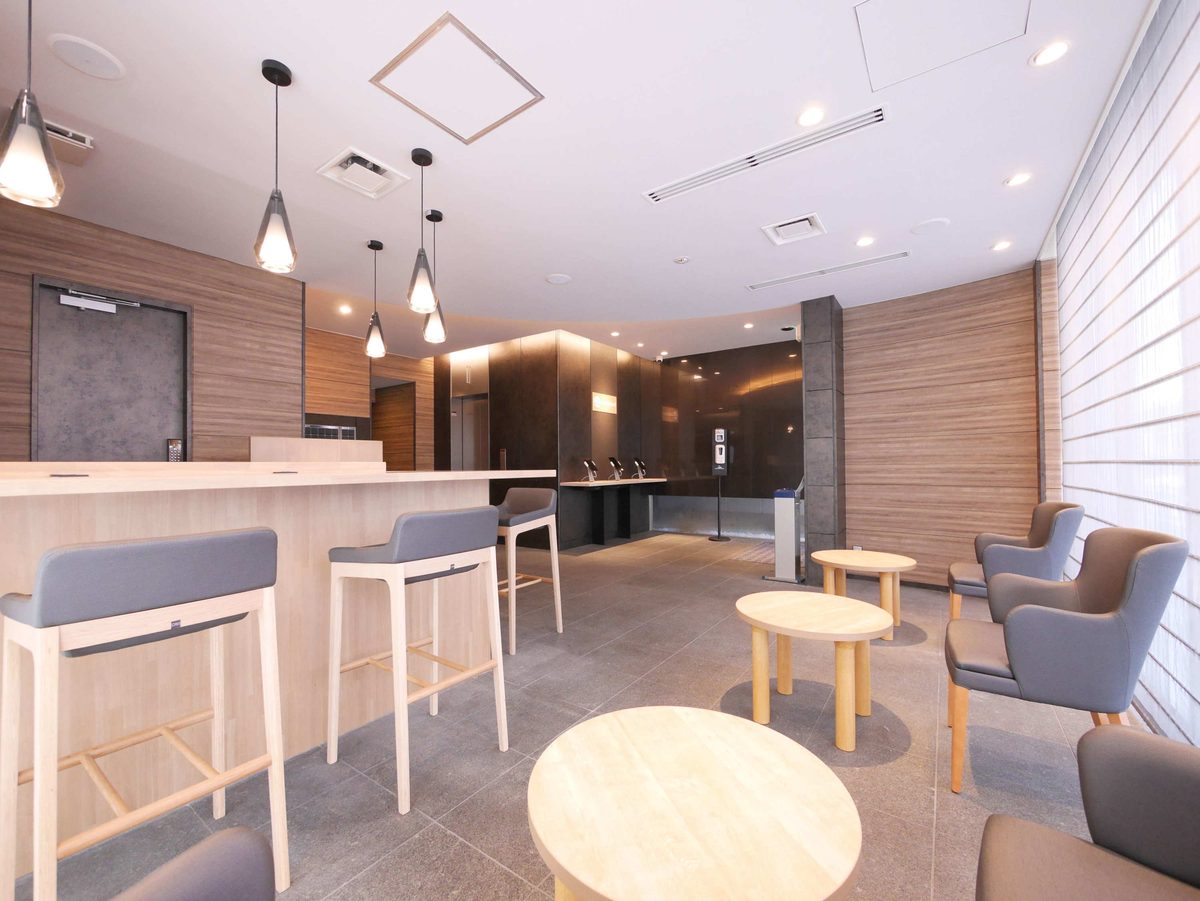
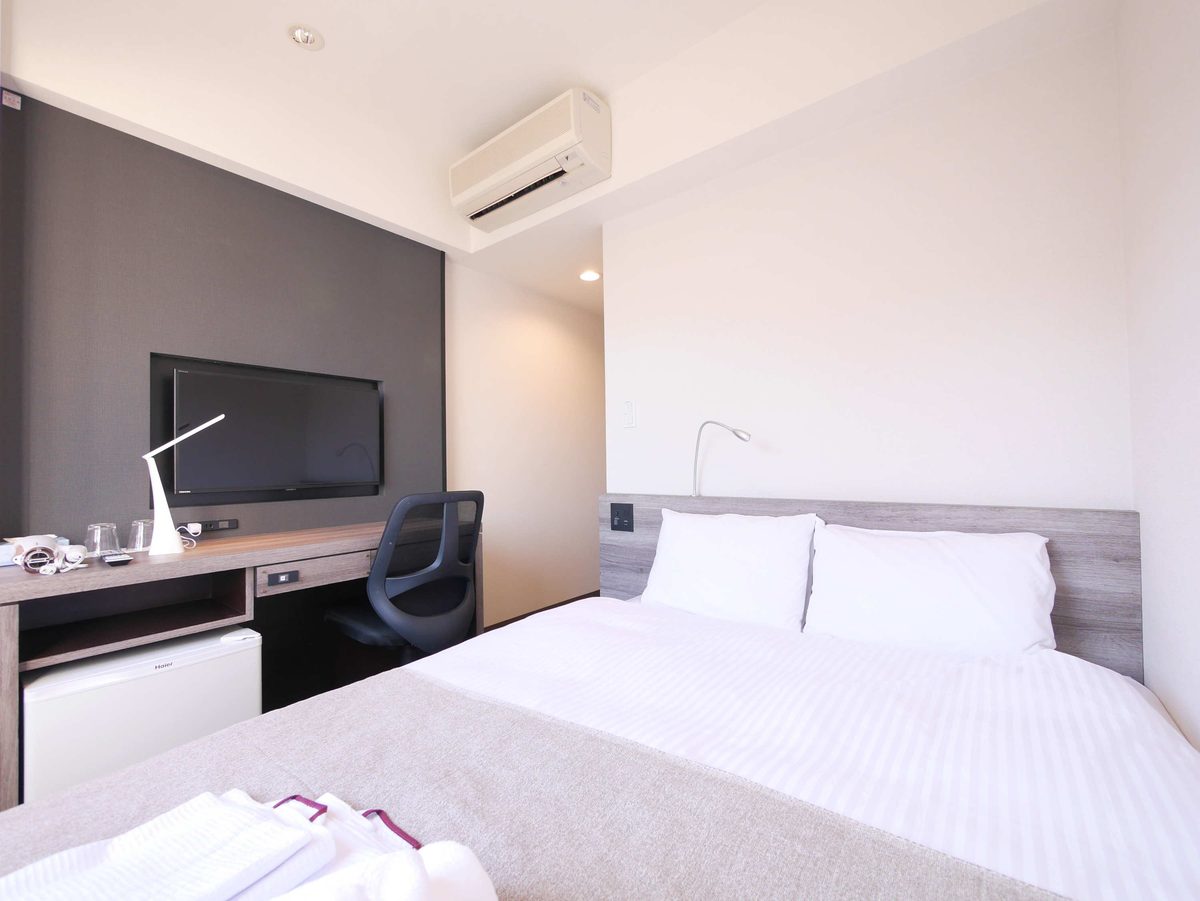
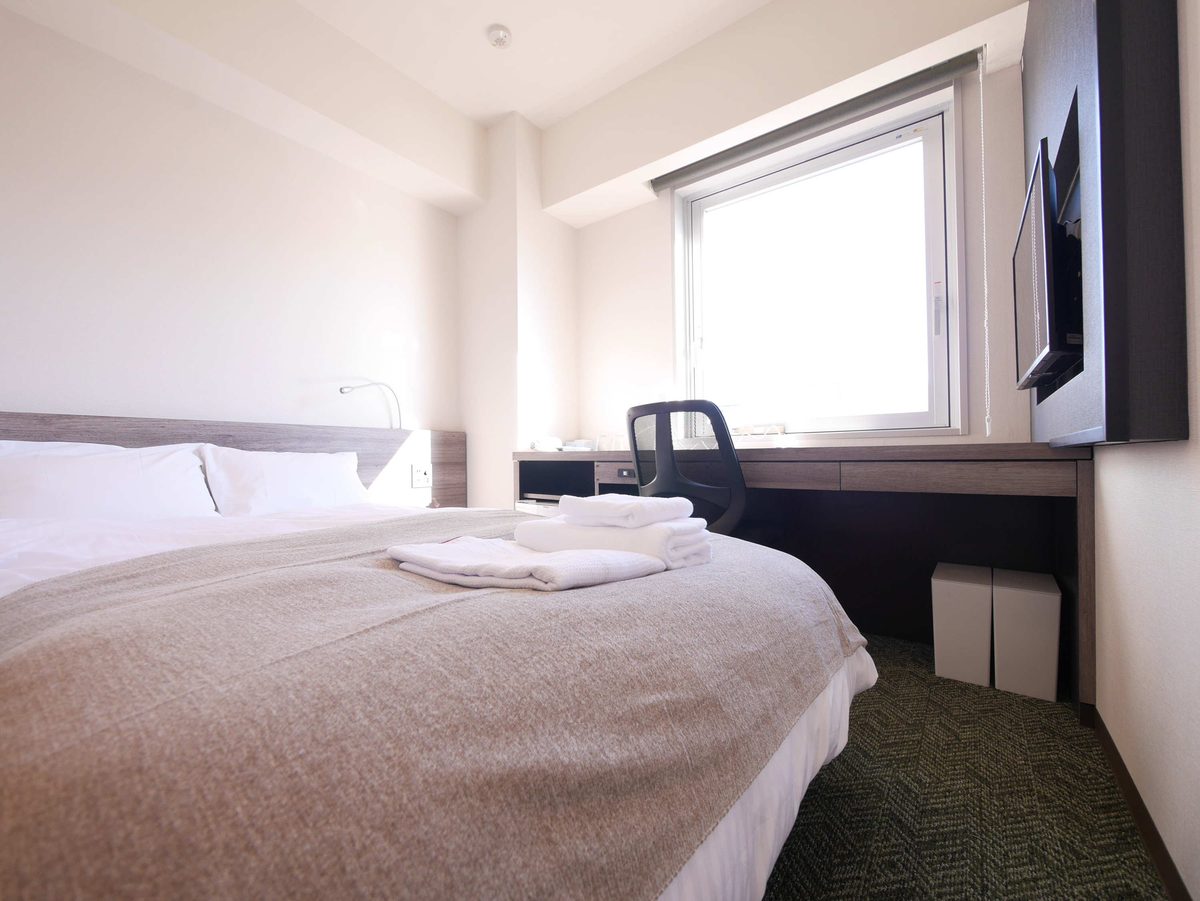
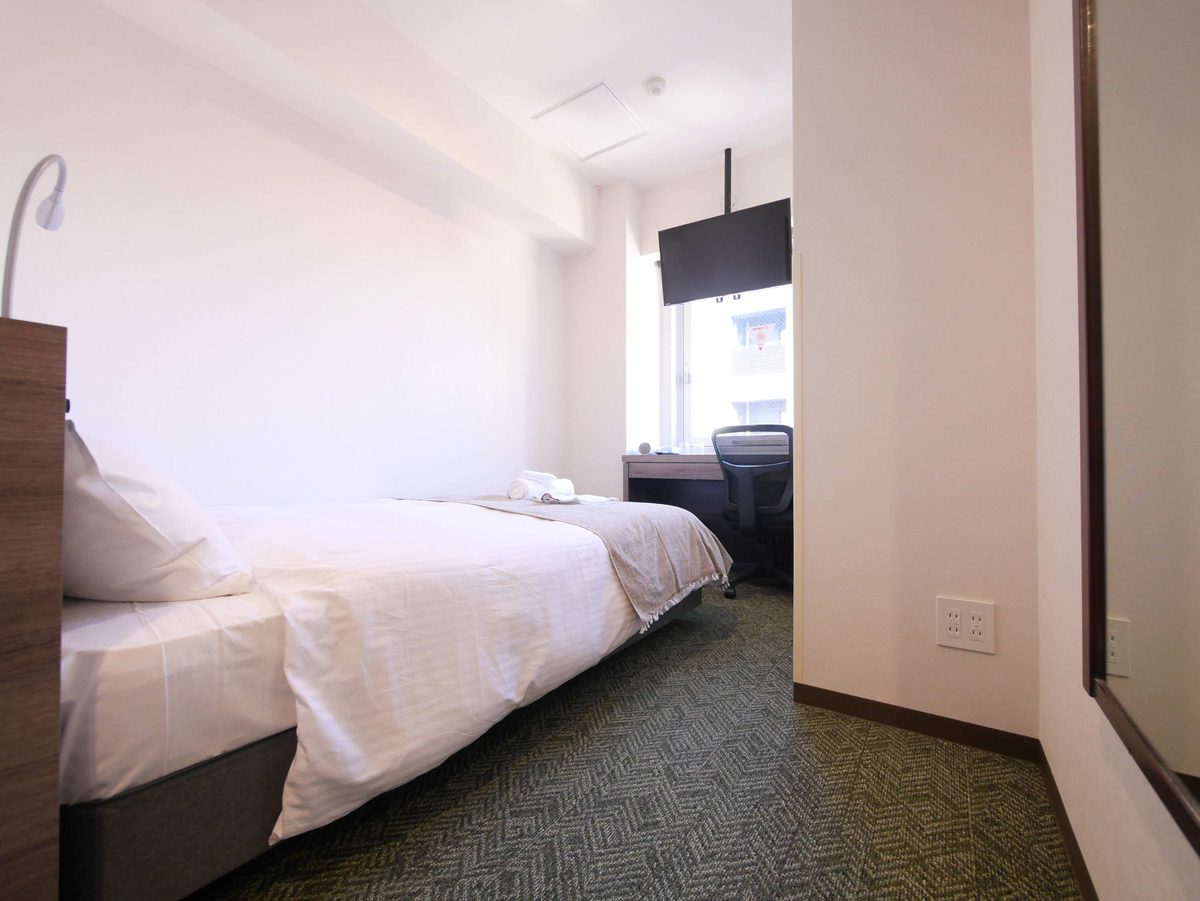
A 41-room hotel run without a conventional front desk model
Operating a hotel in Chuo-ku, Tokyo since January 2022. The staffing model was designed before opening rather than reduced afterwards.
Licensed operation
The problem
Labour is scarce across the Japanese accommodation sector. At 41 rooms, a permanently staffed front desk puts a heavy fixed cost against a modest revenue base. The location draws a high proportion of international guests, so service quality could not be traded away to solve it.
What we did
- Cloud PMS consolidating reservations, rates and channel inventory
- Smart locks, removing physical key handover entirely
- Online check-in with identity verification completed before arrival
- Multilingual staff, including English and Chinese
- Daily repricing against forecast demand
Where it stands
The property runs on a lean staffing model without compromising the guest experience, and has traded consistently since opening. The approach transfers to assets with different characteristics — it is a way of thinking about staffing, not a fixed configuration.
From 14% to above 85% in roughly six months
In 2020 Japan closed its borders and inbound travel stopped. Occupancy at the properties we then operated fell to 14%.
The problem
The guest base was predominantly international travellers booking through OTAs. Entry restrictions removed that demand base itself rather than merely reducing it. Occupancy reached 14% in April 2020.
What we did
- Redirected the properties toward domestic demand for extended stays
- Reset minimum stay and rate structures to match longer occupancy
- Rebuilt distribution away from inbound-facing OTAs
- Adjusted housekeeping and linen cycles to the new stay pattern
Moving between formats meant working across different licensing and contractual frameworks, since the applicable regime changes with the length of stay. No new licence was acquired and no significant capital was deployed.
The outcome
Occupancy was back above 85% by October 2020 and held there. In May 2021 it reached 96%, with essentially no international travellers in the country. Occupancy in a strong market tells you little about an operator; the difference shows when demand fails.
What the operator handles
Distribution and revenue
Listing design and inventory synchronisation across channels, demand-based pricing, and the balance between rate and occupancy. Monthly reporting under a management contract.
Guest handling
From reservation through arrival, stay and departure. Multilingual enquiry handling, online check-in, and management of review scores.
Housekeeping and linen
Selection and contracting of housekeeping and linen suppliers, volume adjustment against occupancy, and quality control.
Building systems
Monitoring the condition of guest rooms and common areas, and appointing contractors where work is required. PMS, smart locks and network infrastructure.
Employment
Recruitment, shift scheduling, payroll and employment administration.
Regulatory
Preparing and filing licence applications and notifications under the Hotel Business Act or the Housing Accommodation Business Act, and preparation and retention of the guest register.
Scope is agreed case by case. Where a property or asset manager is appointed, we work alongside them.
The same approach, on your asset.
Tell us the building's characteristics and where it stands today.
We reply within two business days, in English or Japanese.